Light color
How to Choose a Light Bulb Color Temperature
Two bulbs with the same lumens can make a room feel cozy or clinical. The difference is the color of the white, and the box gives it as a Kelvin number.
What the Kelvin number means
Lower Kelvin numbers mean the light appears more yellow or “warmer”; higher Kelvin numbers mean the light will appear whiter or bluer.
ENERGY STAR (U.S. Environmental Protection Agency), Light Fixtures (Downlights)
So the scale runs backwards from what the words suggest. A low number, 2700K, is the warm light of a table lamp. A high number, 5000K, is the cool light of a clear noon.
| Light color | TJOY lines | From, per bulb |
|---|---|---|
| 2200K Amber | 6 | $1.50 |
| 2700K Soft white | 20 | $0.83 |
| 3000K Warm white | 12 | $1.12 |
| 4000K Cool white | 11 | $1.00 |
| 5000K Daylight | 19 | $0.87 |
Which white for which room
Most incandescent lamps produce warm light with color temperatures around 2,700 K, which compliments the wood finishes, furniture, and fabrics used in homes.
U.S. Department of Energy, Federal Energy Management Program, Purchasing Energy-Efficient Light Bulbs
That is why 2700K is the safe choice for living rooms and bedrooms. Move up the scale as the room turns from rest to work.
- 2200K amber: bare filament bulbs over a bar or a dining table, night lights.
- 2700K soft white: living rooms, bedrooms, table lamps.
- 3000K warm white: kitchens, bathrooms, hallways.
- 4000K cool white: garages, laundry rooms, home offices.
- 5000K daylight: workshops, closets, vanity mirrors, reading lamps.
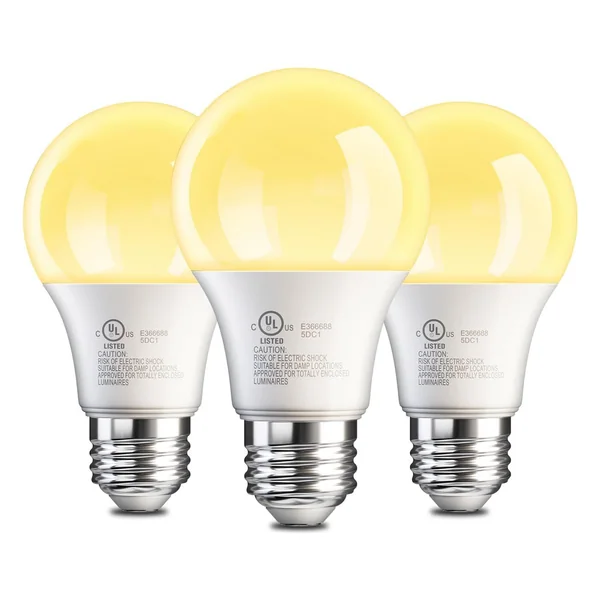
9 W, 800 lumens, not dimmable
4 whites
$7.99from · $0.83 per bulb
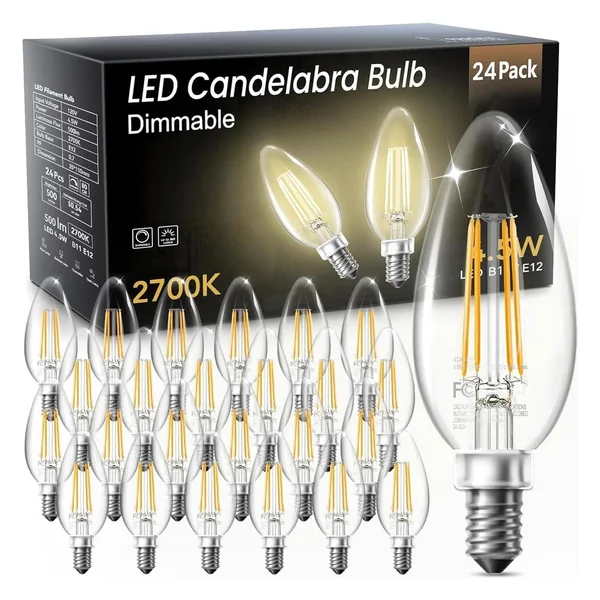
4.5 W, 450 lumens, torpedo tip, dims
5 whites
$9.99from · $1.42 per bulb
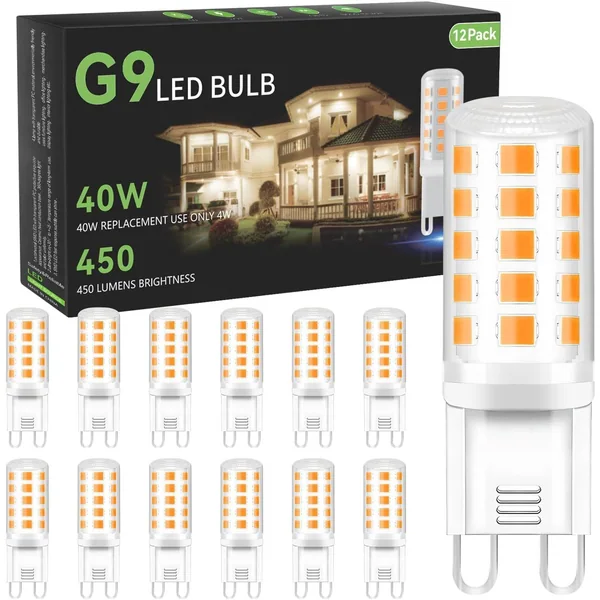
4 W, 450 lumens, G9 pins, not dimmable
4 whites
$9.99from · $1.50 per bulb
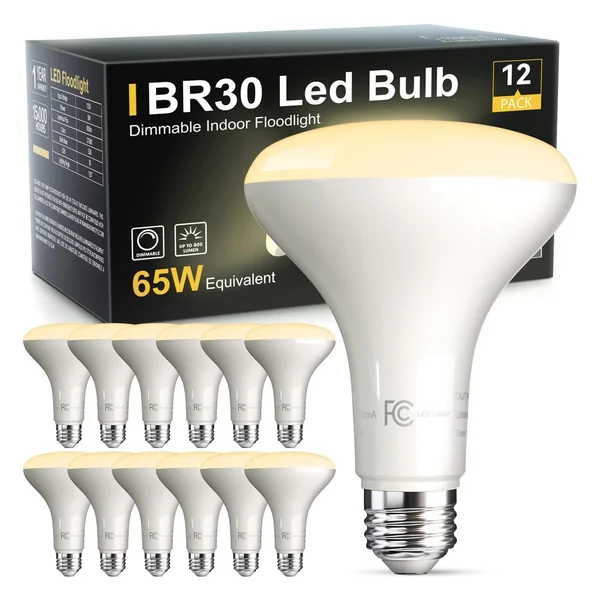
9 W, 800 lumens, 120° flood, dims
4 whites
$18.99from · $1.92 per bulb
One room, one white
Make sure to select the same shades for lights sharing the same space.
ENERGY STAR (U.S. Environmental Protection Agency), The Bright Choice: Renovate with ENERGY STAR LED Lighting
A 2700K lamp beside a 4000K ceiling light makes one look dingy and the other look blue. When you change the white, change every bulb in the room.
When changing light sources, make sure to buy products with similar CCTs as what was previously used. Radically changing the CCT (e.g., from 2,700 K to 4,100 K) is noticeable and can result in occupant dissatisfaction.
U.S. Department of Energy, Federal Energy Management Program, Purchasing Energy-Efficient Light Bulbs
Color is not brightness
A 5000K bulb is not brighter than a 2700K bulb. Both of our everyday A19 bulbs give 800 lumens. Daylight only looks sharper, because the eye reads blue-white light as crisp. If a room feels dim, look for more lumens. If it feels cold, go down the Kelvin scale.
Quick answers
What Kelvin is closest to an incandescent bulb?
2700K is closest. The Department of Energy puts most incandescent lamps at around 2,700 K. On TJOY bulbs that white is called soft white.
Can I mix 2700K and 3000K bulbs in one fixture?
It is better not to. The 300 K gap shows when the bulbs sit side by side. Use 1 white per fixture and per room.